

Is It Perimenopause? 7 Signs Your Metabolism Has Shifted
You're eating the same foods. Moving your body like you always have. But somehow — your jeans fit differently, your energy crashes by 2 PM, and the scale keeps creeping up no matter what you do.
Sound familiar? If you're a woman in your mid-to-late 30s or 40s, this isn't in your head. And it's not a willpower problem.
It might be perimenopause, and more specifically, it might be the metabolic shift that comes with it.
In this post, we're breaking down the 7 most telling signs that perimenopause is changing your metabolism, why it happens, and what you can actually do about it so you feel like yourself again.
Quick Definition
Perimenopause is the transitional phase before menopause, typically beginning in the late 30s to mid-40s, when estrogen and progesterone levels begin to fluctuate. It can last anywhere from 2 to 10 years. Your period may still be regular, but your hormones? Far from it.
Why Perimenopause Hits Your Metabolism So Hard
Your metabolism isn't just about calories in vs. calories out. It's a complex hormonal ecosystem, and estrogen is one of its key regulators.
When estrogen begins to fluctuate and decline during perimenopause, it creates a cascade of metabolic changes:
Insulin sensitivity decreases, making blood sugar harder to regulate
Fat storage patterns shift, particularly toward the belly
Muscle mass begins to decline more rapidly (sarcopenia)
Thyroid function may be affected, slowing overall metabolic rate
Sleep disruption (hello, night sweats) further impairs metabolism
The result? Your body in perimenopause responds to food, exercise, and stress very differently than it did at 25, or even 32.
7 Signs Your Metabolism Has Shifted Due to Perimenopause

Here are the 7 Sigs that your metabolism has changed due to perimenopause:
Sign #1: Unexplained Weight Gain — Especially Around Your Midsection
One of the earliest and most frustrating signs of a perimenopausal metabolism shift is weight gain that seems to appear out of nowhere, and settle stubbornly in your abdomen.
This visceral fat (the kind that wraps around your organs) is directly linked to dropping estrogen. As estrogen declines, your body begins storing more fat centrally as a protective mechanism.
⚠️ What to watch for:
Your waist measurement is increasing even though your overall weight hasn't changed much. Clothes feel tight in the middle. You notice a 'thicker' midsection that wasn't there before 35.
Sign #2: You're Constantly Tired — Even After a Full Night's Sleep
Perimenopausal fatigue isn't just tiredness. It's a bone-deep exhaustion that doesn't respond to rest. This happens because:
Fluctuating progesterone disrupts your sleep architecture
Night sweats and hot flashes fragment your sleep, even if you don't fully wake
Cortisol patterns shift, often leaving you wired at night and groggy in the morning
Poor sleep directly suppresses metabolism — your body burns fewer calories at rest and produces more of the hunger hormone ghrelin when you're sleep-deprived.
Sign #3: Your Blood Sugar Feels Unpredictable
Do you get shaky, irritable, or foggy between meals? Notice intense carb cravings in the afternoon? Find that foods that never used to bother you are now making you feel sluggish?
Estrogen helps regulate insulin sensitivity. As it fluctuates, your cells don't respond to insulin as efficiently, meaning blood sugar can spike and crash more dramatically. This sets off a cycle of cravings, energy crashes, and stress eating that can feel completely out of your control.
Sign #4: You're Losing Muscle — Even Though You're Exercising
Here's something that surprises a lot of women: perimenopause can cause muscle loss even if you're strength training regularly.
Declining estrogen affects your muscle protein synthesis — the process by which your body builds and repairs muscle. Combined with the natural aging-related decline in muscle mass (which accelerates after 35), many women find they're working just as hard but seeing far less results.
Less muscle = slower resting metabolism. This is one of the biggest reasons perimenopausal women need to adjust their exercise strategy — not exercise less, but exercise differently.
Sign #5: Your Digestion Has Changed
Bloating after meals you used to tolerate fine. Unpredictable bowel movements. A feeling of fullness that lingers for hours. These aren't random — they're metabolic.
Estrogen plays a role in gut motility and the health of your gut microbiome. As levels shift, many women experience new digestive sensitivities, increased bloating, and changes in how quickly food moves through their system.
Did you know?
Research suggests the gut microbiome changes significantly during the perimenopausal transition. This affects not just digestion, but also inflammation levels, immune function, and even mood.
Sign #6: Your Mood and Brain Feel 'Off'
Brain fog, anxiety that feels new, mood swings that seem disproportionate to circumstances — these are metabolic symptoms, not just emotional ones.
Estrogen and progesterone are deeply involved in neurotransmitter regulation — including serotonin and dopamine. When hormone levels fluctuate erratically, your brain chemistry shifts too.
You may feel anxious or irritable for 'no reason'
Decision fatigue sets in faster
You struggle to concentrate in ways you never did before
Motivation feels harder to access
This isn't a mental health crisis. It's a metabolic and hormonal transition — and it's very real.
Sign #7: Exercise Doesn't Work the Way It Used to
You've been doing the same cardio routine for years. It kept you lean and energized. Now? You're exhausted after your workouts, your weight isn't budging, and you might even be gaining.
High-intensity, high-volume exercise can actually backfire during perimenopause by spiking cortisol — a stress hormone that, when chronically elevated, promotes fat storage (especially belly fat) and muscle breakdown.
Your perimenopausal body needs a different kind of movement: more strength training, more recovery, and smarter cardio.y to understand you body's new rules? Take our Free Perimenopause Metabolism Assessment →
👉 healthybyholly.com/assessment
What You Can Do: A Perimenopause-Friendly Metabolic Reset
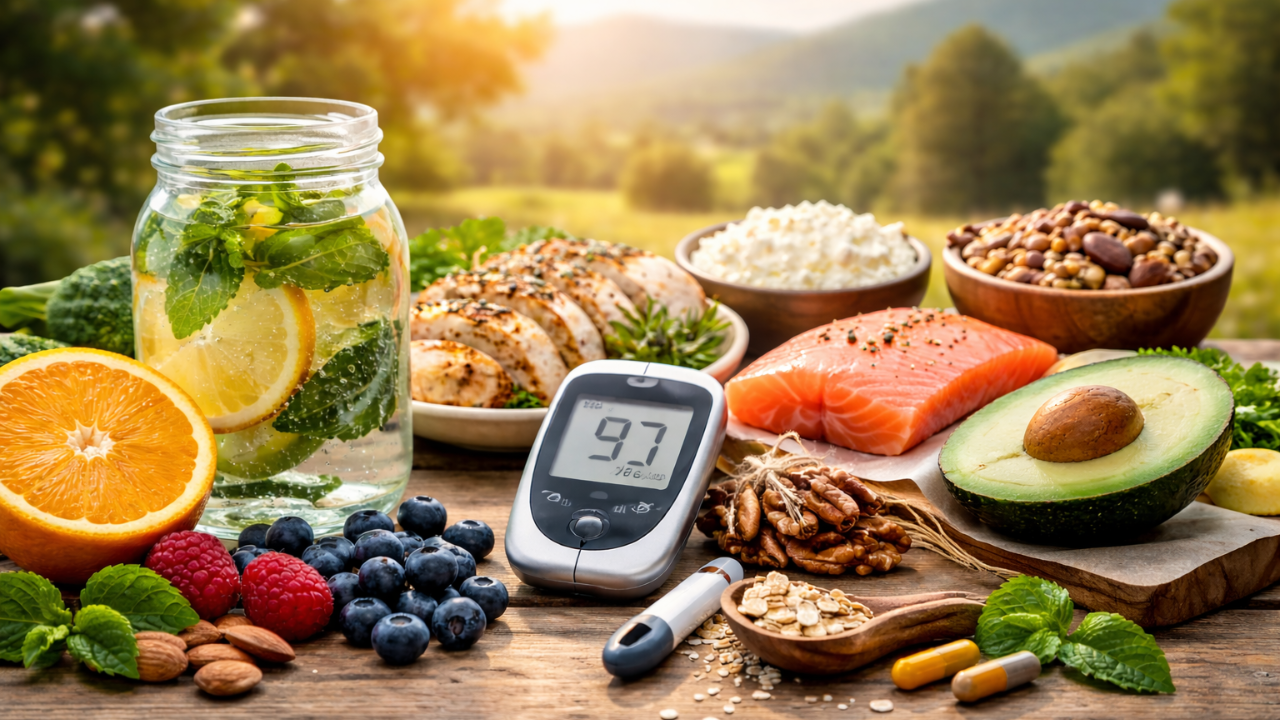
The good news: your metabolism isn't broken. It's adapting. And when you give it what it actually needs right now, your body can absolutely thrive through this transition.
1. Prioritize Protein at Every Meal
Aim for 25–40g of protein per meal to support muscle retention and blood sugar stability. Protein also has the highest thermic effect of any macronutrient — your body burns more calories digesting it.
2. Embrace Strength Training
Resistance training is the single most powerful metabolic tool available to perimenopausal women. It builds and preserves muscle, improves insulin sensitivity, and supports bone density. Aim for 3–4 sessions per week.
3. Support Blood Sugar Balance
Don't skip meals or go long periods without eating
Pair carbohydrates with protein and fat at every meal
Reduce refined sugar and alcohol, which worsen hormonal fluctuations
Consider a continuous glucose monitor (CGM) to see your personal patterns
4. Prioritize Sleep as a Non-Negotiable
Address night sweats and sleep disruptions directly. Talk to your doctor about options — from lifestyle interventions to magnesium supplementation to hormone therapy discussions. Poor sleep is metabolically damaging and shouldn't be accepted as inevitable.
5. Manage Cortisol
Add daily stress-reduction practices: walking in nature, breathwork, gentle yoga, or even 10 minutes of quiet. Reducing cortisol load is as important as what you eat during this phase.
6. Work With a Professional Who Understands Perimenopause
This is perhaps the most important step. Generic diet and exercise advice wasn't designed for your perimenopausal body. Working with a practitioner who understands this transition can save you years of frustration.
Work with Holly: Personalized Perimenopause Nutrition & Wellness Coaching
Frequently Asked Questions
Q: Can perimenopause start in your mid-30s?
Yes. While the average age of perimenopause onset is around 47, it can begin as early as 35, sometimes even earlier. If you're experiencing symptoms like irregular periods, mood changes, sleep disruption, and unexplained weight gain before 40, it's worth discussing with your healthcare provider.
Q: How do I know if my metabolism change is perimenopause or just aging?
The two are closely intertwined, but perimenopause has distinguishing features: changes tend to come more suddenly, often coincide with menstrual irregularities, and may be accompanied by classic hormonal symptoms like hot flashes, night sweats, and mood shifts. Hormone testing (FSH, estradiol, progesterone) can help clarify the picture.
Q: Will my metabolism bounce back after menopause?
Many women find that once hormones stabilize post-menopause, some symptoms ease. However, the metabolic adaptations — like the shift in fat distribution and the need for more protein and strength training — tend to remain. The good news is that women who adapt their lifestyle during perimenopause are generally much better positioned metabolically on the other side.
Q: Should I consider hormone replacement therapy (HRT) for metabolic symptoms?
HRT can be incredibly effective for managing perimenopausal symptoms and supporting metabolic health, including bone density, muscle mass, and cardiovascular health. It's not right for everyone, and the decision should be made with a qualified healthcare provider based on your individual health history. Don't let outdated fear-based information stop you from having this conversation.
Q: What's the best diet for perimenopause metabolism?
There's no single 'perimenopause diet,' but the principles that consistently support metabolic health during this transition include: high protein, blood sugar balance, anti-inflammatory foods, reduced alcohol, adequate fiber, and enough calories to support your activity level. Under-eating is one of the most common mistakes perimenopausal women make, it stresses the body further and backfires metabolically.
The Bottom Line
If you've been feeling like your body is working against you, like everything you knew about health no longer applies, you're not wrong. Perimenopause is a genuine metabolic transition, and it changes the rules.
But here's what I want you to know: this isn't the end of feeling good in your body. It's an invitation to understand it better, support it differently, and discover what thriving looks like in this next chapter.
The women I work with don't just survive perimenopause, they come out the other side feeling stronger, more energized, and more at home in their bodies than they have in years. That can be you too.
Start your perimenopause-informed wellness journey.