What Is Hormone Optimization? A Complete Guide for Women 35+ | Healthy by Holly
As women move through their mid-30s and beyond, many begin noticing changes that seem to happen without warning. Energy drops. Weight becomes harder to manage. Sleep quality declines. Mood swings appear more frequently. Workouts that once delivered results suddenly feel ineffective.
For many women, these changes are often dismissed as "just getting older."
The reality is more complex.
Hormones influence nearly every system in the body, including metabolism, energy production, sleep, mood regulation, muscle maintenance, cognitive function, and fat storage. When hormonal shifts occur, especially during perimenopause and menopause, the effects can impact your daily life in significant ways.
This is where hormone optimization enters the conversation.
But what exactly is hormone optimization? Is it simply hormone replacement therapy? Is it only for women experiencing menopause? And how do you know if it's right for you?
Let's explore what hormone optimization really means and how it can help women over 35 support their health, vitality, and long-term wellness.
What Is Hormone Optimization?
Hormone optimization is the process of helping your body achieve healthier hormonal balance through personalized lifestyle strategies, nutrition, lab analysis, stress management, sleep optimization, and when clinically appropriate, medically supervised therapies.
Contrary to popular belief, hormone optimization is not simply about prescribing hormones.
A comprehensive hormone optimization approach looks at the entire system influencing hormonal health, including:
Nutrition
Stress levels
Sleep quality
Physical activity
Gut health
Inflammation
Blood sugar regulation
Metabolic function
Lifestyle habits
At Healthy by Holly, hormone optimization is part of a broader metabolic wellness strategy that focuses on identifying root causes rather than simply treating symptoms. The goal is to help your body function more efficiently and support long-term health outcomes.
Why Hormones Matter More After 35
Many women begin experiencing hormonal fluctuations during their late 30s and early 40s.
This transitional period, known as perimenopause, can last several years before menopause officially occurs.
During this time, levels of estrogen, progesterone, cortisol, insulin, and other hormones may fluctuate significantly.
Common symptoms include:
Unexplained Weight Gain
Many women notice increasing abdominal fat despite maintaining their usual diet and exercise routines.
Hormonal changes can affect:
Fat storage
Insulin sensitivity
Appetite regulation
Metabolic rate
Fatigue and Low Energy
If you constantly feel tired despite getting enough sleep, hormones may be contributing.
Hormonal imbalances can influence:
Energy production
Recovery
Stress resilience
Sleep quality
Mood Changes
Hormones play a major role in neurotransmitter function.
Fluctuations may contribute to:
Anxiety
Irritability
Depression
Mood swings
Difficulty handling stress
Poor Sleep
Many women experience:
Trouble falling asleep
Frequent nighttime waking
Early morning waking
Reduced sleep quality
Because sleep directly impacts hormone production, poor sleep can create a cycle that worsens symptoms.
Loss of Muscle and Strength
Declining hormone levels can make it more difficult to maintain lean muscle mass, even with consistent exercise.
This can contribute to:
Slower metabolism
Increased body fat
Reduced strength
Lower energy expenditure
What Hormone Optimization Is NOT
One of the biggest misconceptions is that hormone optimization means taking hormones.
In reality, hormone therapy may only be one possible tool within a larger strategy.
Hormone optimization is not:
A quick fix
A crash diet
A trendy supplement protocol
A one-size-fits-all solution
A replacement for healthy lifestyle habits
Many women discover that addressing sleep, nutrition, stress management, and metabolic health can significantly improve symptoms before advanced interventions are even considered.
Signs You May Benefit From Hormone Optimization
Every woman's experience is different, but some common indicators include:
Persistent Fatigue
You feel exhausted despite getting adequate rest.
Weight Loss Resistance
You're doing "all the right things" but still struggle to lose weight.
Brain Fog
Difficulty concentrating, forgetfulness, or mental fatigue.
Mood Instability
Increased anxiety, irritability, or emotional fluctuations.
Sleep Disturbances
Trouble falling asleep or staying asleep.
Reduced Exercise Recovery
Longer recovery times and declining performance.
Changes in Menstrual Cycles
Irregular periods, heavier bleeding, shorter cycles, or skipped periods.
Low Motivation and Drive
Feeling disconnected from your normal energy and enthusiasm.
If several of these symptoms sound familiar, hormone optimization may help uncover the underlying factors contributing to them.
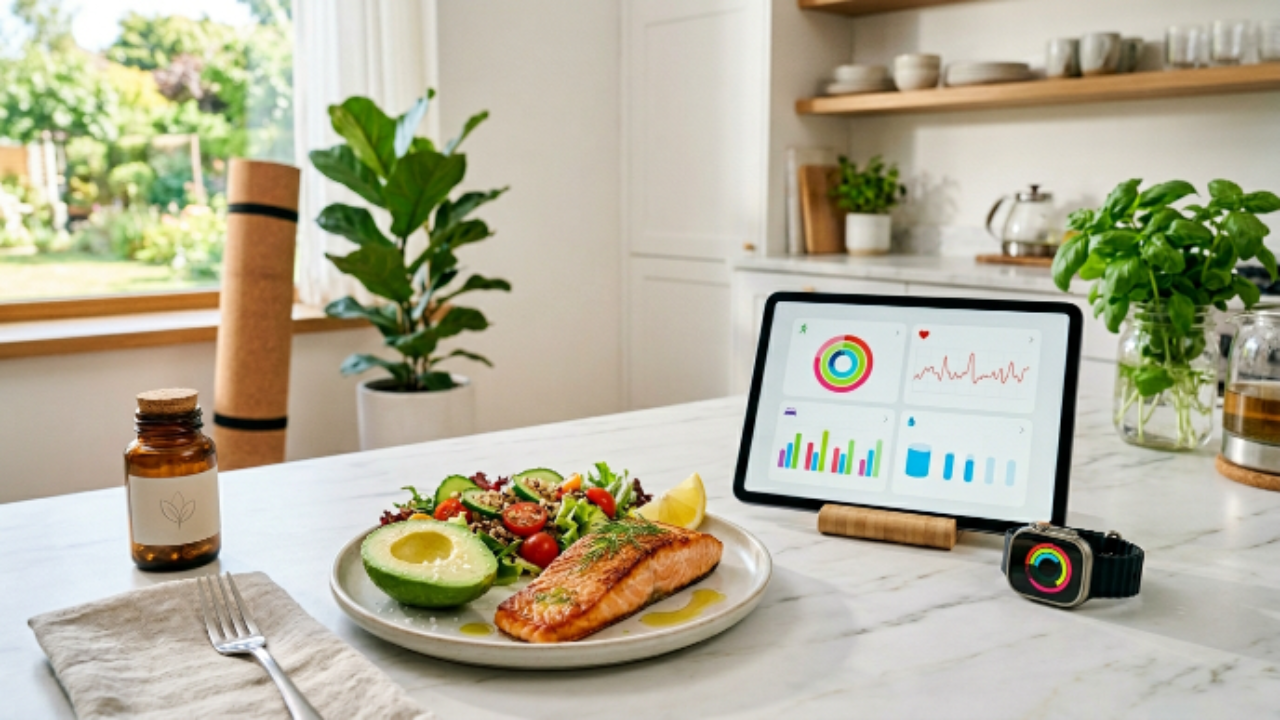
The Four Pillars of Hormone Optimization
1. Comprehensive Assessment
The first step is understanding what is actually happening inside your body.
A personalized assessment may include:
Health history
Symptom review
Lifestyle evaluation
Medical history
Lab analysis when appropriate
This creates a clearer picture of your hormonal and metabolic health.
2. Nutrition Optimization
Food directly influences hormones.
A personalized nutrition strategy may focus on:
Blood sugar stability
Protein intake
Nutrient deficiencies
Inflammation reduction
Gut health support
Rather than following restrictive diets, the goal is creating sustainable eating patterns that support hormonal function.
3. Lifestyle Alignment
Lifestyle factors often have a larger impact on hormones than people realize.
Areas commonly addressed include:
Sleep hygiene
Stress management
Exercise programming
Recovery practices
Daily habits
Healthy by Holly's approach emphasizes sustainable lifestyle adjustments that work with your biology rather than against it.
4. Advanced Support When Appropriate
For some women, additional support may be beneficial.
Depending on individual circumstances, this could include:
Targeted supplementation
Clinical referrals
Hormone therapy coordination
Other medically supervised interventions
These tools are typically considered after foundational health factors have been addressed.
Why Personalized Hormone Support Matters
One of the biggest mistakes women make is following generic hormone advice online.
What works for one woman may be completely wrong for another.
Community discussions around hormone health frequently highlight how women can spend years trying supplements and trends without identifying the true underlying issue. Many report discovering completely different root causes once they reviewed labs and biomarkers with a qualified practitioner.
This is why personalized care matters.
A successful hormone optimization plan should consider:
Your symptoms
Your age
Your health history
Your goals
Your lab data
Your lifestyle
There is no universal protocol.
Is Hormone Optimization Right for You?
Hormone optimization may be worth exploring if:
You're over 35 and noticing physical or emotional changes.
Weight loss feels harder than it used to.
Energy levels are declining.
Sleep quality has worsened.
You're entering perimenopause or menopause.
Your labs appear "normal," but you don't feel like yourself.
You're looking for a root-cause approach rather than symptom management alone.
The goal isn't simply to chase perfect hormone numbers.
The goal is helping you feel stronger, healthier, more energized, and more resilient.
The Healthy by Holly Approach
At Healthy by Holly, hormone optimization is viewed as part of a larger health ecosystem that includes metabolic wellness, nutrition, lifestyle integration, and clinically guided support when appropriate. The focus is on assessing, aligning, supporting, and optimizing your body's natural systems through a personalized strategy rather than relying on generic protocols.
For women navigating perimenopause, menopause, or unexplained metabolic changes, the right plan can provide clarity, direction, and a sustainable path forward.
Frequently Asked Questions
What age should women start thinking about hormone optimization?
Many women begin noticing hormonal changes between ages 35 and 45. However, hormone optimization can be beneficial whenever symptoms suggest hormonal or metabolic imbalances may be present.
Is hormone optimization the same as hormone replacement therapy?
No. Hormone replacement therapy (HRT) is one potential tool. Hormone optimization encompasses nutrition, lifestyle, stress management, sleep support, metabolic health, and personalized care strategies.
Can hormone optimization help with weight loss?
Hormone optimization may support healthy weight management by addressing factors such as insulin sensitivity, stress hormones, metabolism, sleep, and appetite regulation.
Do I need lab work for hormone optimization?
Lab testing is often helpful for identifying patterns and creating personalized strategies, though recommendations vary depending on individual needs and symptoms.
Can hormone optimization help during perimenopause?
Yes. Many women seek hormone support during perimenopause to address symptoms such as fatigue, mood changes, sleep issues, weight gain, and irregular cycles.
Is hormone optimization only for menopause?
No. Women experiencing hormonal symptoms in their 30s, 40s, or beyond may benefit from a personalized hormone-support approach.
Ready to Understand What Your Symptoms Are Really Telling You?
If you're struggling with fatigue, weight loss resistance, mood changes, or other signs of hormonal imbalance, you don't have to navigate it alone.
Take the Metabolic Reset Quiz
Discover your unique hormone and metabolic pattern and gain insight into what's driving your symptoms.
Schedule a Free Strategy Session
Work one-on-one with Holly to create a personalized roadmap built around your goals, symptoms, and biology.
Learn More About Healthy by Holly
Explore our personalized approach to hormone optimization, metabolic wellness, and sustainable health transformation.